1. Walk-around and plan
A technician looks over the vehicle and explains the plan, including what is likely to be removed.
Racine, OH · Meigs County
Is the smell in the car something a wash can fix? In Racine, (877) 812-4220 reaches a team for car biohazard cleaning that finds the source, removes it and disinfects the interior.
If anyone is in danger, call 911 first. For a suicide crisis, call or text 988.
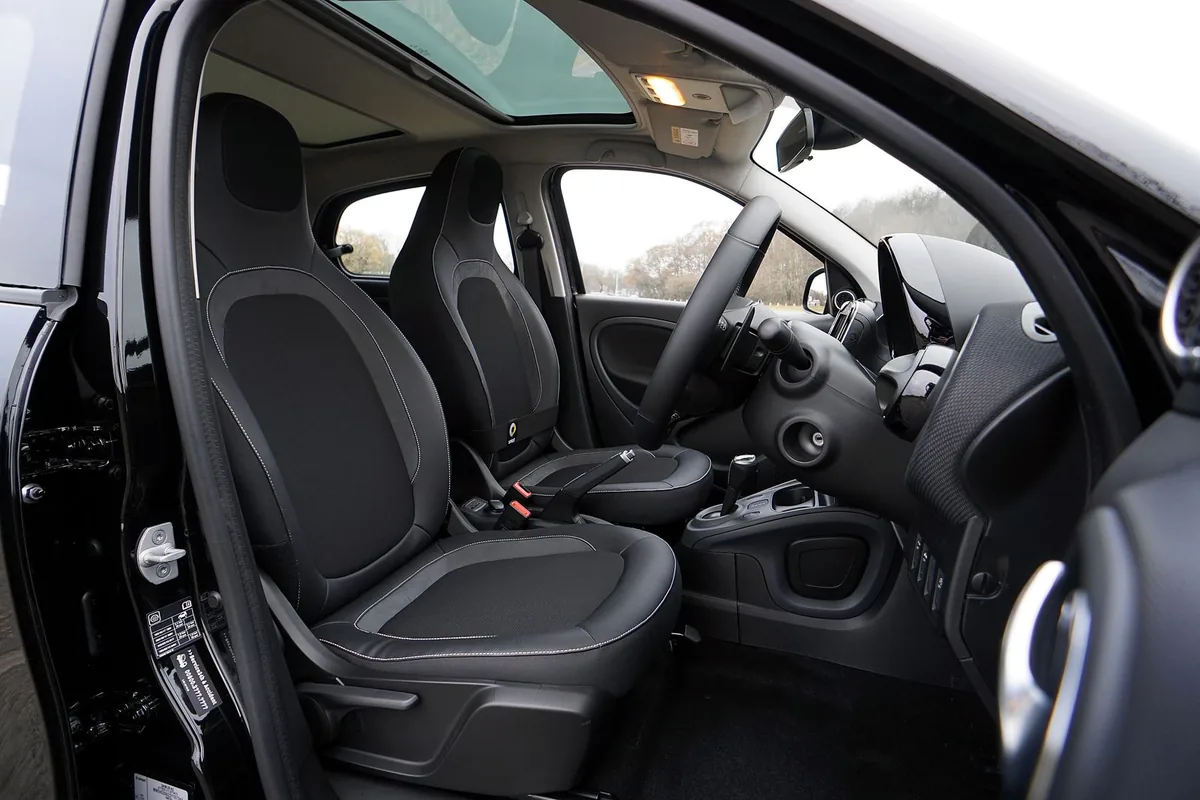
Hazmat car cleaning is the common name for decontaminating a vehicle that holds hazardous material, usually blood or body fluids. The work follows bloodborne pathogen safety rules and ends with regulated disposal.
Whether you are a driver or a business in Racine, call Racine Biohazard Cleanup Help at any hour, with 24/7 phone answering, for vehicle biohazard cleaners. Anyone in Meigs County can call for help.
With about 44 inches of rain a year in Racine, damp air and leaks can feed mold in a contaminated vehicle that was left sitting. The nearest emergency room, Holzer Medical Center in Gallipolis, is about 22 miles away. Call 911 for injuries first; cleanup comes after.
Vehicle Biohazard Cleanup in Racine usually includes:
A technician looks over the vehicle and explains the plan, including what is likely to be removed.
Plastic sheeting and careful handling keep contamination from reaching the driveway, garage or lot.
Contaminated parts that cannot be saved come out. Surfaces that stay are cleaned layer by layer.
Odor is treated in the cabin and vents, waste leaves as regulated waste, and the interior is checked before the keys are returned.
Most vehicle biohazard cleanup jobs in Racine, OH cost between $500 and $5,000, based on published cost guides.
Waste volume plays a role. More removed material means more packaging and more regulated medical waste to haul and dispose of.
| Type of job | Typical range |
|---|---|
| Vehicle biohazard cleanup | $500 - $5,000 |
Estimates only, not a quote. Sources: BioCleaners Directory. Price drivers include type of interior materials, how serious the event was, time since the event, air system decontamination. Call (877) 812-4220 to talk through the job.
Yes. Blood can carry bloodborne pathogens such as hepatitis B and HIV. Dried blood can still be hazardous, and enclosed cabins hold odor. That is why the area is cleaned with protection and disinfected.
Yes. Waste is lifted with protection, soaked materials are removed and surfaces are disinfected. Urine travels deep into foam, so seats may need to be taken out or replaced if the smell remains.
A biohazard vehicle is a car, truck, van or bus that has been contaminated by blood, body fluids, waste or decomposition. Because these materials can carry infectious germs, the vehicle needs decontamination, not just a wash.
A small spill on a hard surface can be cleaned with gloves, eye protection and an EPA-registered disinfectant. Do not do it with an open cut, and do not use the car until fluids that soaked into fabric are removed. For larger spills, call a cleanup team.
A salvage vehicle is one an insurer has declared a total loss. Some are also tagged for contamination when blood or fluids were involved. Labels and rules vary, so ask the insurer or the state title office what applies to a specific vehicle.
It depends on the vehicle, the amount of contamination and how much has to be removed. A single stained seat is a shorter job than a cabin with fluids on many surfaces. Odor treatment can add time.
Calls are answered 24/7, and the job is planned on the call.
Call (877) 812-4220